
Optimizing odoo website SEO is crucial for enhancing visibility and driving organic traffic. This article will guide you through effective strategies to improve your site’s ranking, focusing on built-in tools, content optimization, and technical aspects. Many businesses struggle with low search engine rankings, which can hinder their growth and online presence. By implementing the right SEO practices, you can significantly boost your website’s performance and attract more visitors. We will cover essential topics such as utilizing built-in SEO tools, creating SEO-friendly URLs, optimizing content, and more.
Table of Contents
Utilize Built-in SEO Tools
Odoo offers a variety of built-in SEO tools that help streamline the optimization process. These tools allow users to customize meta tags, page titles, and descriptions, which are essential for improving search engine visibility. By leveraging these features, you can enhance your website’s relevance and attract more organic traffic. OneStopOdoo specializes in providing comprehensive Odoo ERP solutions tailored for businesses seeking to optimize their operations through the Odoo platform.
For a deeper dive into maximizing productivity with Odoo’s website builder features, consider the following resource:
SEO-Friendly URLs
Creating SEO-friendly URLs is vital for improving your website’s search rankings. SEO-friendly URLs are concise, descriptive, and include relevant keywords, making it easier for search engines to index your pages. In Odoo, you can create these URLs by customizing the URL structure in the website settings. This practice not only enhances user experience but also contributes to better search engine rankings.
| URL Structure | Description | Impact on SEO |
| /product-name | Descriptive and keyword-rich | High |
| /category/product-name | Organized and easy to navigate | Medium |
| /page-name | Simple and straightforward | Low |
This table illustrates how different URL structures can impact your SEO efforts. By adopting a clear and descriptive URL format, you can improve your website’s visibility and user engagement.
Optimize Content
High-quality content is the backbone of effective SEO. To optimize your content on an Odoo website, focus on the following strategies:
Keyword Research: Identify relevant keywords that your target audience is searching for and incorporate them naturally into your content.
Header Tags: Use header tags (H1, H2, H3) effectively to structure your content and make it easier for search engines to understand.
Image Optimization: Ensure that all images have descriptive alt tags and are compressed for faster loading times.
By implementing these strategies, you can enhance the overall quality of your content, making it more appealing to both users and search engines.
Importance of High-Quality Content
High-quality content not only attracts visitors but also encourages them to stay longer on your site. Engaging and informative content can lead to lower bounce rates and higher conversion rates. Additionally, search engines prioritize websites that consistently provide valuable information to users.
Using Header Tags Effectively
Header tags help organize your content and improve readability. By using H1 for the main title and H2 or H3 for subheadings, you create a clear hierarchy that search engines can easily interpret. This structure enhances user experience and boosts your SEO efforts.
Structured Data

Structured data plays a crucial role in odoo website SEO by helping search engines understand your website’s content. By implementing schema markup, you can provide additional context about your pages, which can lead to rich snippets in search results. This visibility can significantly improve click-through rates and drive more traffic to your site.
What is Structured Data?
Structured data is a standardized format for providing information about a page and classifying its content. It helps search engines understand the context of your content, making it easier to index and display in search results.
Benefits for Search Engines
By using structured data, you enhance the chances of your content being featured in rich snippets, which can improve visibility and attract more clicks. This additional information can include ratings, reviews, and other relevant details that make your listing stand out.
Sitemaps and Robots.txt
Sitemaps and robots.txt files are essential components of odoo website SEO that help search engines crawl and index your website effectively. A well-structured XML sitemap provides search engines with a roadmap of your site, while the robots.txt file instructs them on which pages to crawl or ignore.
How to Create an XML Sitemap
Creating an XML sitemap in Odoo is straightforward. You can generate one automatically through the website settings, ensuring that all important pages are included. Once created, submit your sitemap to search engines to facilitate better indexing.
Role of Robots.txt in SEO
The robots.txt file is crucial for controlling how search engines interact with your site. By specifying which pages should not be crawled, you can prevent search engines from indexing duplicate or irrelevant content, thereby improving your Odoo website’s overall SEO performance.
Local SEO
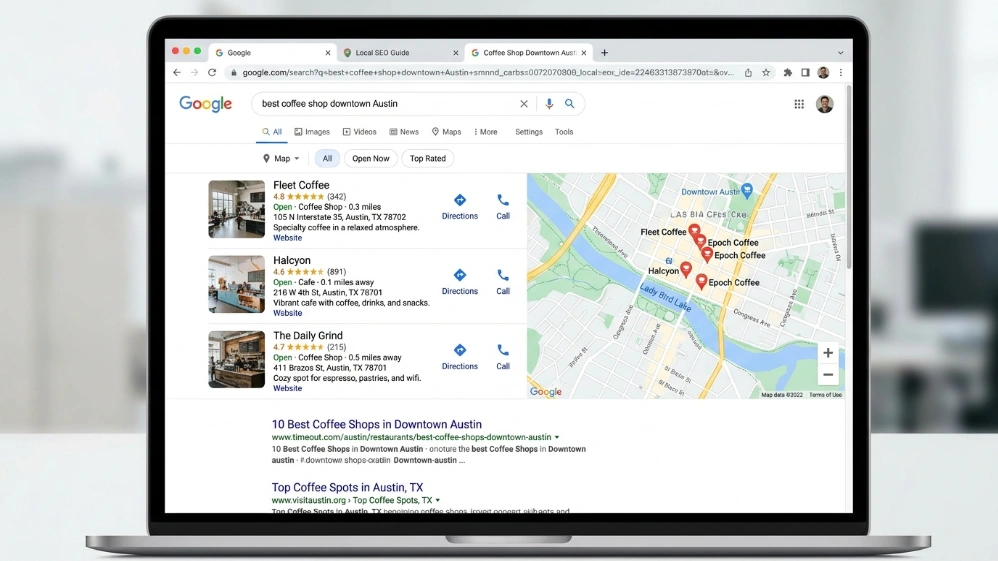
Local SEO is vital for businesses targeting specific geographic areas. By optimizing your Odoo website for local search, you can attract more customers in your vicinity. This involves using local keywords, creating a Google My Business listing, and engaging with local customers.
Importance of Local Keywords
Incorporating local keywords into your content helps search engines understand your business’s location and relevance to local searches. This practice can significantly enhance your visibility in local search results.
Creating a Google My Business Listing
A Google My Business listing is essential for local SEO. It allows you to manage your online presence across Google, including search and maps. Ensure that your listing is complete with accurate information, including your business name, address, phone number, and hours of operation.
Mobile Optimization
With the increasing use of mobile devices, optimizing your Odoo website for mobile is crucial. A mobile-friendly site enhances user experience and is favored by search engines.
Responsive Design Principles
Implementing responsive design principles ensures that your website adapts to different screen sizes. This approach improves usability and accessibility, leading to higher engagement and lower bounce rates.
Impact on User Experience
A well-optimized mobile site provides a seamless experience for users, allowing them to navigate easily and find the information they need. This positive experience can lead to increased conversions and customer satisfaction.
Backlink Strategy
Developing a strong backlink strategy is essential for improving your website’s authority and search rankings. Backlinks from reputable sources signal to search engines that your content is valuable and trustworthy.
Importance of Backlinks for SEO
Backlinks play a significant role in SEO by enhancing your site’s credibility. High-quality backlinks can improve your search rankings and drive more organic traffic to your site.
How to Develop a Backlink Strategy
To develop an effective backlink strategy, focus on creating high-quality content that others want to link to. Additionally, consider guest blogging, collaborating with influencers, and engaging in online communities to build relationships and earn backlinks.
Performance Optimization
Website performance is a critical factor in SEO. A fast-loading site improves user experience and can positively impact your search rankings.
Improving Website Speed
To enhance your website’s speed, consider optimizing images, minimizing HTTP requests, and leveraging browser caching. These practices can significantly reduce loading times and improve overall performance.
Using CDNs
Content Delivery Networks (CDNs) can help improve your website’s performance by distributing content across multiple servers. This approach reduces latency and ensures faster loading times for users, regardless of their location.
Analytics and Monitoring
Monitoring your website’s performance is essential for ongoing SEO success. By using analytics tools, you can track user behavior, identify areas for improvement, and make data-driven adjustments.
Using Google Analytics
Google Analytics is a powerful tool for tracking website performance. It provides insights into user behavior, traffic sources, and conversion rates, allowing you to make informed decisions about your SEO strategy.
Tracking User Behavior
Understanding how users interact with your site can help you identify strengths and weaknesses in your content and design. By analyzing user behavior, you can optimize your website to better meet their needs and improve overall performance.
Ready to improve your Odoo website SEO? Our Odoo SEO services help optimize your Odoo site with technical SEO, SEO-friendly URLs, meta tags, structured data, content improvements, and performance enhancements designed to increase organic traffic and generate more qualified leads.